
I rarely see reviews on Google for any shops or services in my hometown.
It goes against the culture of megacities like Bengaluru. There are reviews for almost everything there.
Most of the people in my hometown have reasons to stay for the long haul. They are aware that they may have to confront each other again, despite their previous unpleasant encounter. In small towns, even if you are dissatisfied with your experience, you should think twice before posting negative feedback online that is visible to the public.
Even if they are on the wrong side, people are often offended when they receive criticism. In their story, they are the hero with an excuse of every wrong doing.
Another reason could be a lack of options in small towns. When my car breaks down, I may have to contact the same guy I gave negative feedback to. And he definitely remembers the public shaming we attempted.
Hell and Heaven used to be clearly distinguished from one another, and they were both located far from where we now dwell. The only route there was through death. It was once believed that your style of life would judge and determine your fate.
As awareness and education increased, the next generation became aware of the atrocities committed by the previous generation in the name of religion, and the justifications offered in the name of heaven or hell. Younger generations started to establish both right on the land where we live, moving away from the unproven concepts of hell and heaven.
I work extremely hard. My manager is the one who consistently fails to notice.
I ride pretty well, and I blame the roads for my bike’s poor condition.
This neighborhood is so dusty that I can’t keep my house clean and tidy.
I rarely have time to read literature because of my office work.
————-
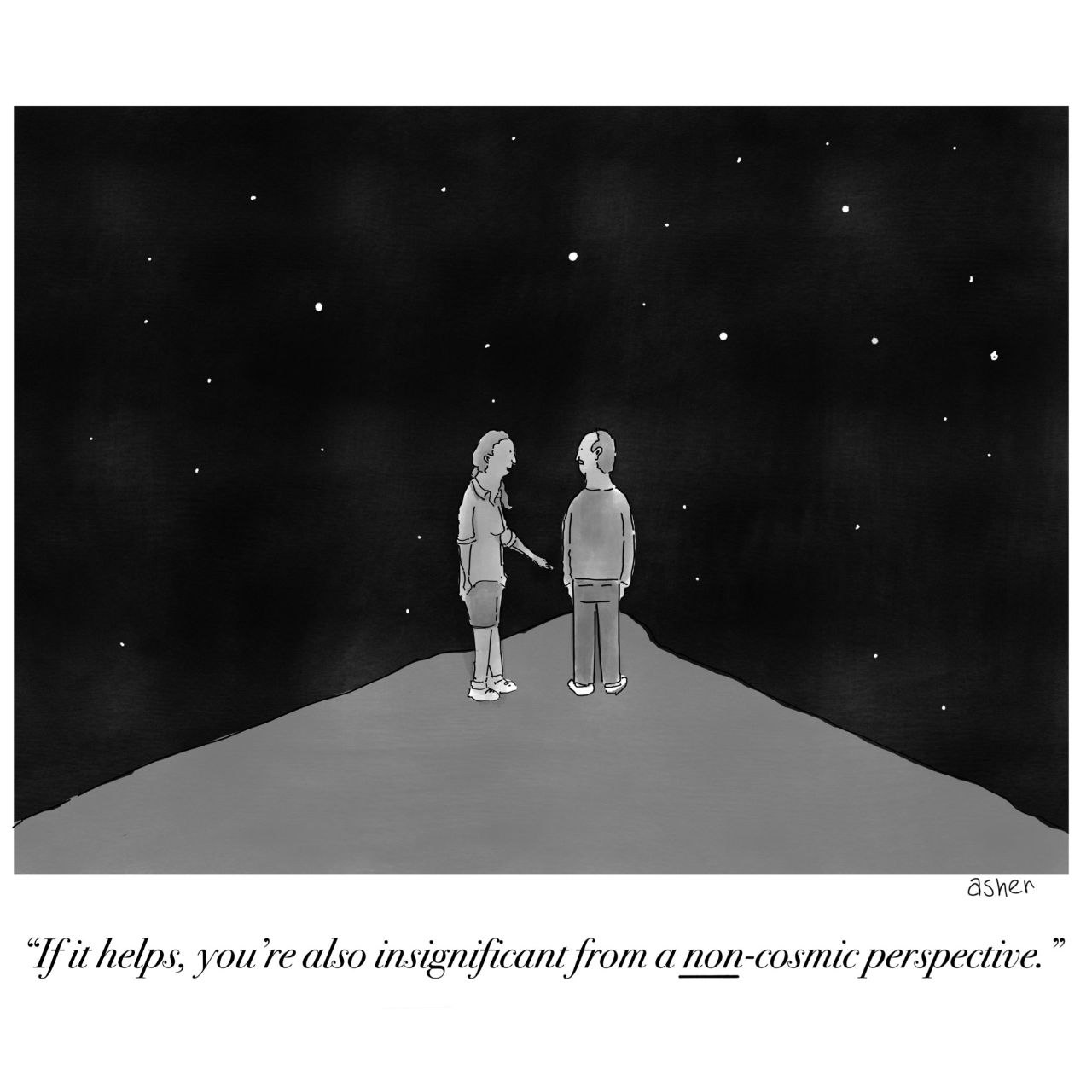
We are obviously very good at finding faults in others. But how valuable are we when we analyze ourselves? How much do we at least admit to ourselves that we make mistakes or have made one?
When we are solely to blame, we resort to lame excuses to defend ourselves.
Because we are the heroes in our stories, it is difficult to put ourselves in the shoes of the perpetrator.
The hero rarely makes mistakes; instead, he corrects the world and leads it in the right direction.
Only when we admit we have made a mistake in committing to something can we make a mistake a part of our past.
~ Greg McKeown
When everything around you is pitch black, even a dim dynamo light was enough to guide the bicycle. In today’s world of focused high intensity neon lights, even the most luminous headlight is insufficient for the vehicle.
Similarly, when a person’s resources are limited, he finds joy in small things. As the commodity grows in value, so does his standard of satisfaction.
However, it is incorrect to assume that the poor or someone far below your level of success is deeply unhappy and living a miserable life. Nobody can escape from happiness. It transforms from one form to another.
Sadness arises from comparison. As Montesquieu said this 300 years ago,
“If you only wished to be happy, this could be easily accomplished; but we wish to be happier than other people, and this is always difficult, for we believe others to be happier than they are.”
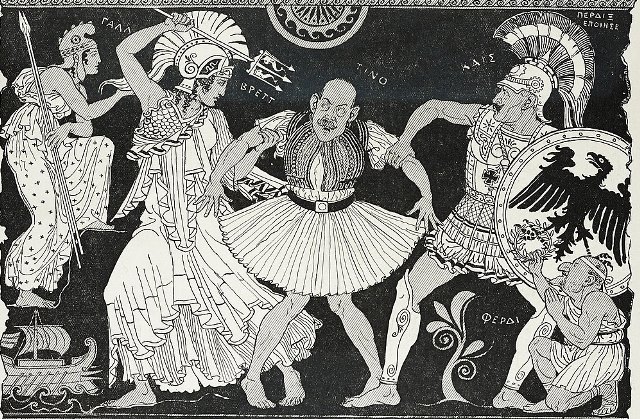
There was a time when few among our friends or relatives used to bring our home their friend, who is into some expectation of selling some item. People used to call it by the name ‘Network marketing’.
The occupation of that other person was to persuade us into purchasing the futile bundle of items or scheme he used to bring along.
It was not sure if our relative/friend felt guilty for bringing him. It was also possible that he himself was under the delusion of his friend’s scheme. But almost every single time, none of them were able to pass the delusion to us. We had to buy from a few, out of generosity, provided that the things are modest. Afterward, we made a point to keep away from that relative who brought that awkwardness to us.
Fast-forward to 30 years, this network marketing culture still exists. I have also lost a few friends who tried to trap me into so called ‘seminars’. Unlike our parents, our generation is not adequately polite to engage these advertisers out of liberality.
Indian Baby boomer generation is still considerably more liberal than us. Indeed, even in the wake of realizing that the other individual is doing a misleading promotion, they fail to refuse the offer for the fear of souring relationships. There are plenty of scammers already taking advantage of this and losing value among their friends and relatives.