
(Un)Certainity
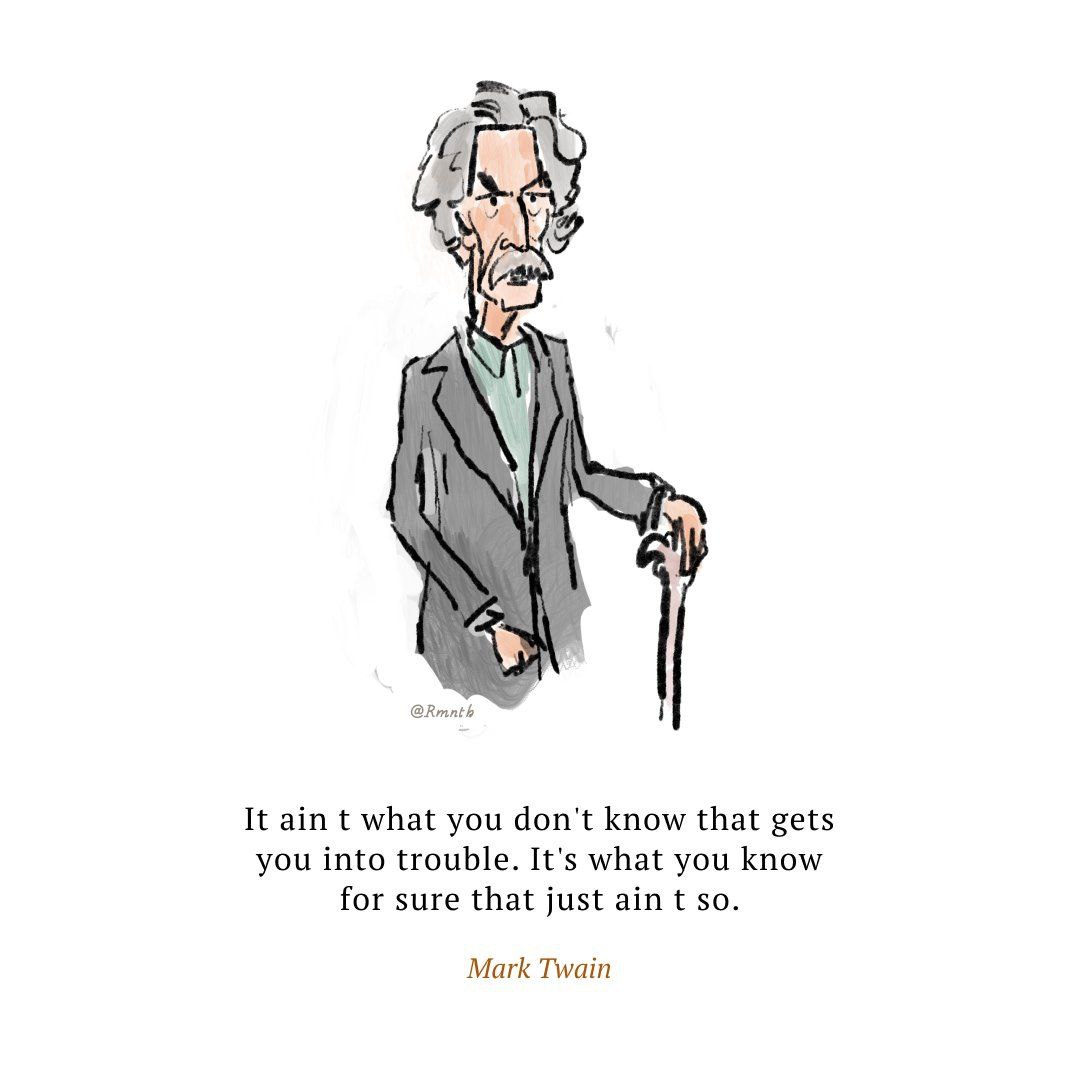
We often encounter individuals who suggest or advise something with such strong conviction and confidence that we never bother to inquire about the source of their powerful argument. For instance, the promotion of ghee, coconut oil, and jaggery as being beneficial for health. Observe how twisted this logic is. While these may be better compared to alternatives like palm oil and sugar, that does not necessarily make them inherently good for health. Frequently, these “knowledgeable” people acquire such information from highly biased and unreliable sources, and then they build their narrative upon it. Over time, this story gets embellished, and they come to firmly believe in the legitimacy of their argument. Confirmation Bias plays a huge role here.
Obsession with Sports and Dance
The mature humans’ ability to indulge so crazily in sports like cricket, football, and the like often amuses me. While playing a game requires physical and mental engagement, the sheer craziness with which they watch and enjoy these sports is simply unexplainable.
Similarly, the idea of watching dance as a form of entertainment is something that only humans seem to be capable of. Dance is essentially a rhythmic, systematic movement of the body parts, either to an external tune or, in some cases, an inner musical rhythm. It must bring joy to the one who performs it, but the human tendency to derive pleasure from merely observing this activity is quite fascinating.

Art of Reading

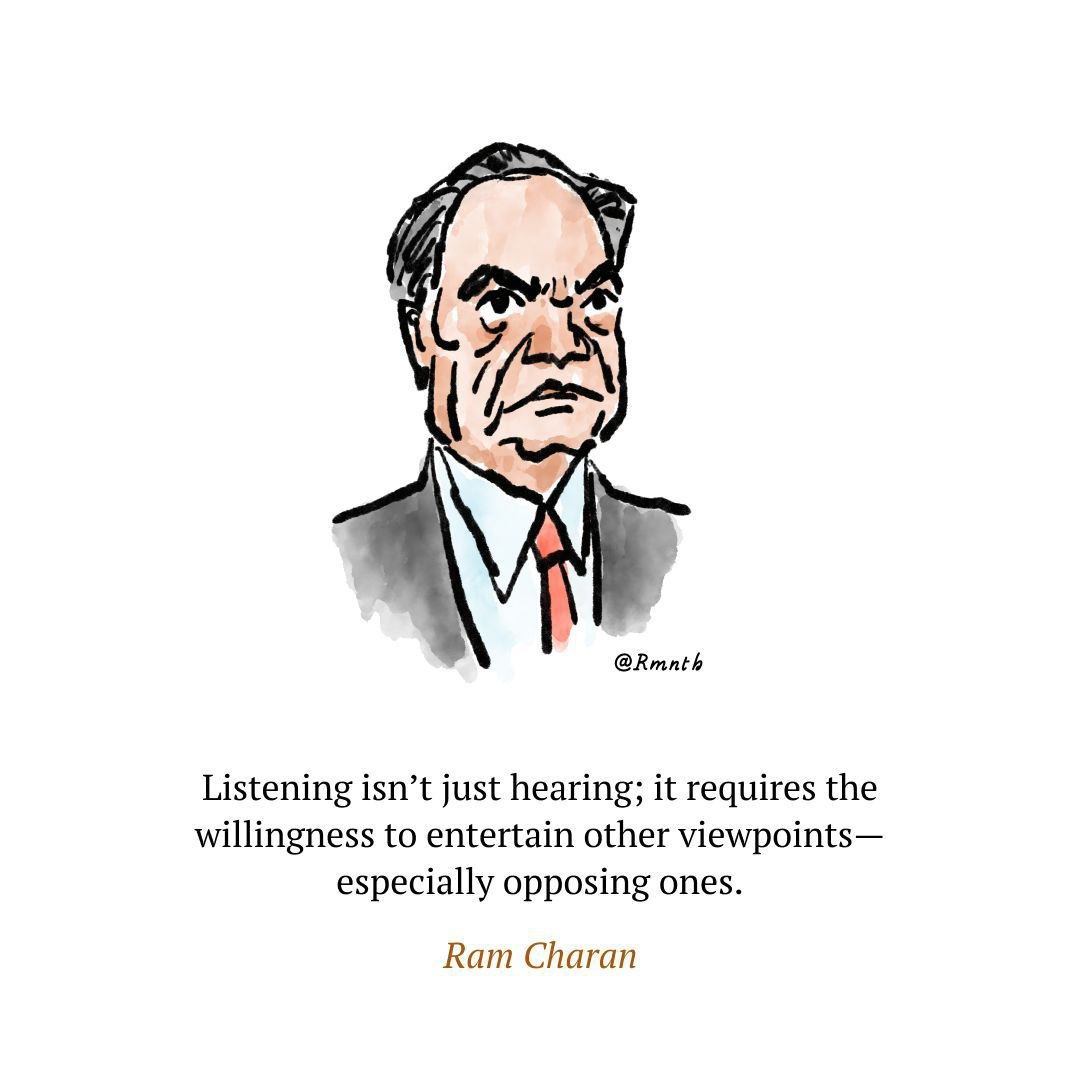
Yet another way to expand experience.
Read the full interview of Elisa Gabbert by Austin kleon
Anti Curation of Books
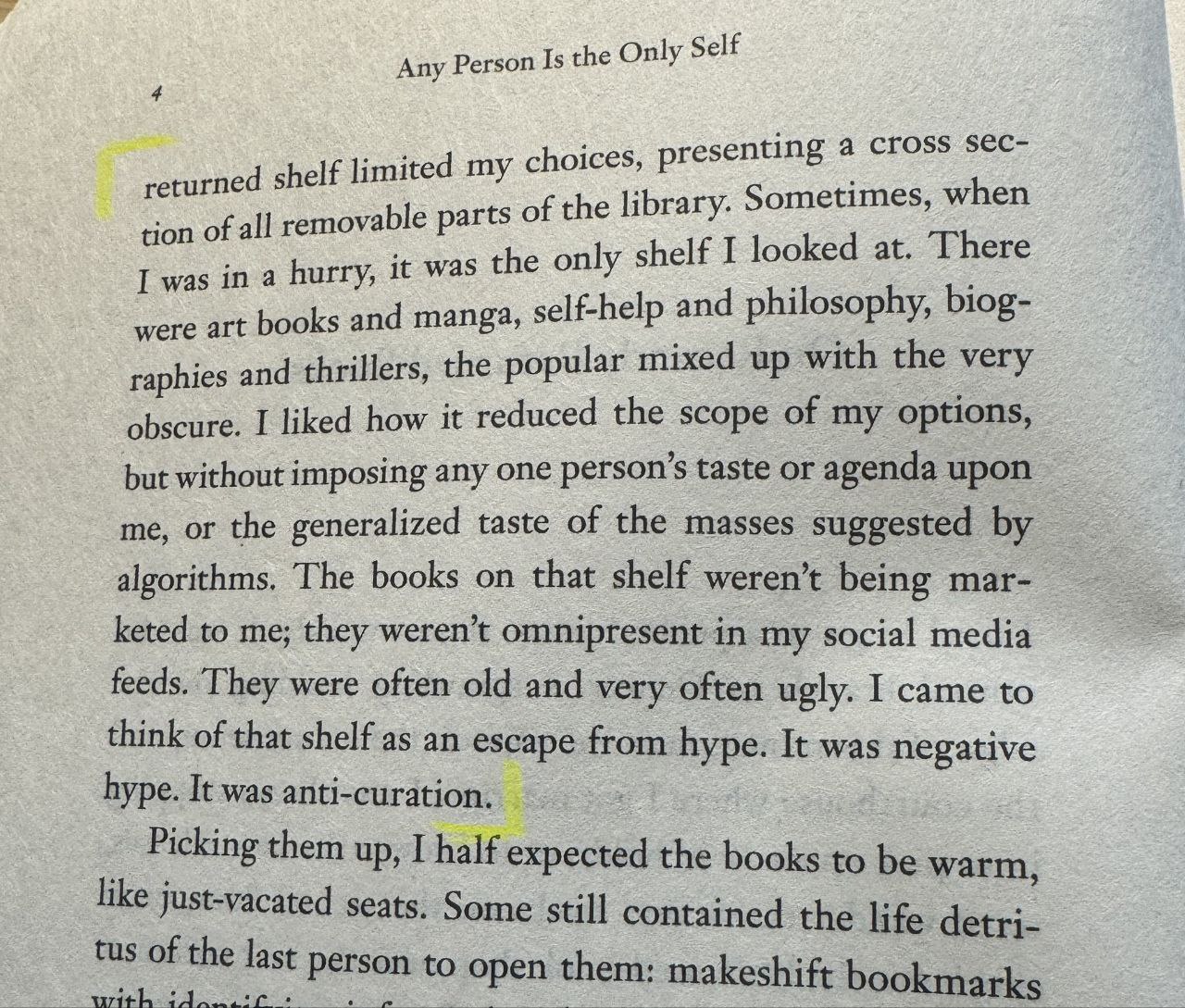
Anti curation= fight against recommendations by algorithms
The Luck Factor
The world is filled with people who have worked hard but not got anywhere. That too is the nature of the world. They feel there is something wrong with them because those who succeeded keep extolling their “hard work” but hide the elements of luck. Every escape story has one thing that makes almost all the difference, and it is usually never revealed, as it is almost never hard work.
-Manu Joseph (Article)
Recommendations
You’ve likely noticed that since the rise of machine learning and big data, nearly all your online activities are tracked and compiled into extensive datasets. This has paved the way for countless recommendation apps tailored to your consumption habits.
Now, you receive suggestions for new movies based on your viewing history, books aligned with your past reads, clothing that matches your purchasing style, food choices reflecting your yearly orders, and travel destinations echoed in your recent trips. Ads are similarly targeted, reflecting your previous interests.
What’s intriguing is that these recommendations heavily rely on your past behaviors, ensuring that the suggestions are consistent with what you’re already comfortable with. If you have a preference for a particular genre or style, the algorithm will likely reinforce that familiarity with its suggestions.
However, one must question: How will my imagination flourish if I’m not exposed to diverse experiences? How can my perspective widen if I’m shielded from challenges to my confirmation bias?
Many-Worlds
The Many-Worlds Interpretation in quantum physics appears to be very relevant in India, where diverse classes and cultures lead entirely separate lives, often unaware of one another. While we fantasize of understanding these other worlds, fully living them is nearly impossible. We travel to explore different cultures, but do we truly experience them when we carry the weight of our own identities and remain trapped in our personal bubbles?